Circulation
The resources and energy we consume without a second thought are finite, and sustainability is a major challenge. This is where the concept of the circular economy becomes crucial. We introduce the cutting-edge research being conducted at the University of Hyogo to realize a sustainable society, including the recycling of limited resources, the efficient generation and reuse of energy, and the development of new eco-friendly materials.
Tracing Ecosystem Cycles Through Carbon
Mizue Ohashi
Professor, School of Human Science and Environment
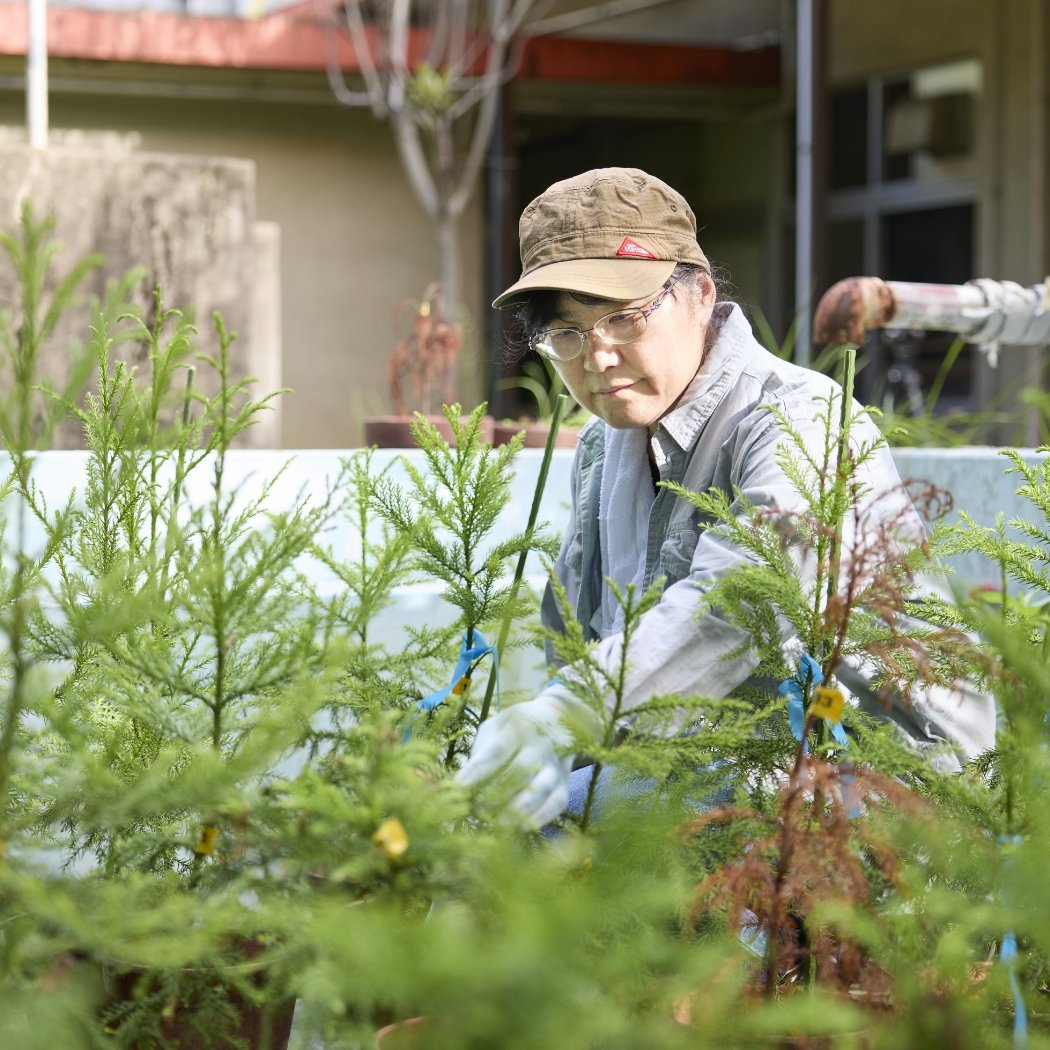
I am working to elucidate material cycles in forest-centered ecosystems. In particular, I focus on the carbon cycle in forests, measuring and evaluating various phenomena—such as the growth of tree trunks, the timing and volume of leaf fall, and root development. The research method I place particular emphasis on is fieldwork, which involves actually going out into the forest to directly observe the condition of trees and fallen leaves. By verifying phenomena occurring in nature with our own eyes and analyzing measurement data, we can uncover the true nature of ecosystems—something that cannot be achieved through theory alone. Furthermore, by analyzing, using a high-performance mass spectrometer (FT-ICR MS), water-soluble organic matter in forest soil and water in detail at the molecular level, we can also understand the subtle mechanisms of material cycles that change over time.
The true appeal of this research lies in meticulously tracking, one by one, the minute exchanges of matter and energy occurring in nature. While it is painstaking work, the sense of accomplishment when field measurements and molecular-level analysis converge to yield results consistent with our hypotheses is unparalleled. Forests cover approximately 70% of Japan’s land area and feature a wide variety of species, climates, and topographies. Understanding these complex ecosystems is a challenge of great academic value.
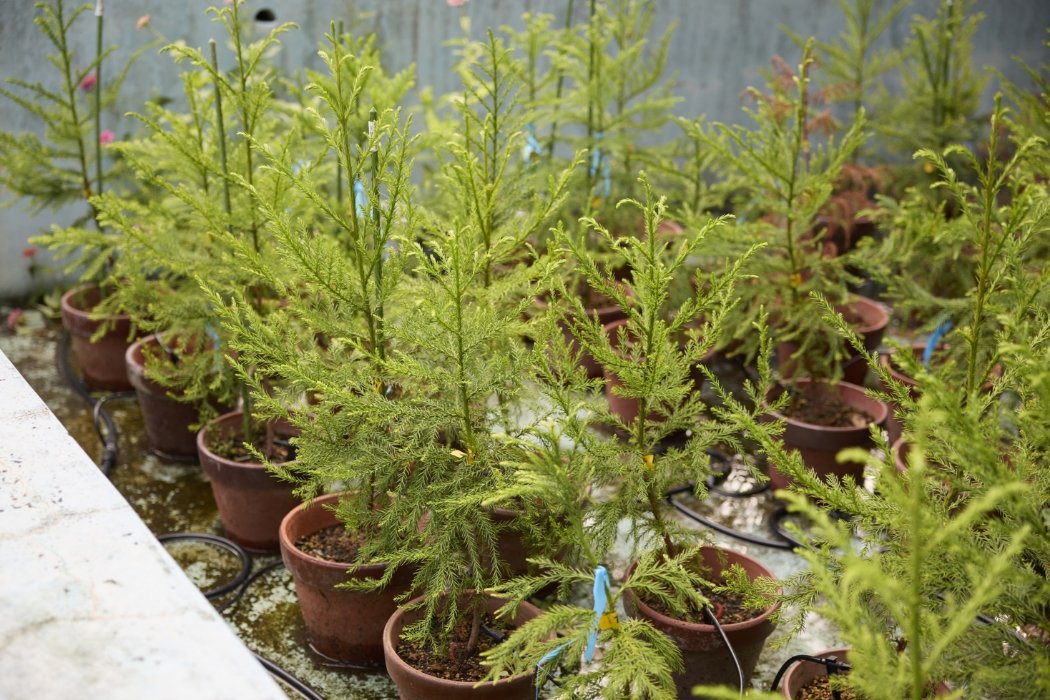
Our lives depend on the ecosystem services forests provide. The benefits are immeasurable, ranging from mitigating global warming through carbon dioxide absorption to the “green dam” function that purifies water and prevents landslides. This research enables us to scientifically visualize these forest functions. The insights gained not only provide a starting point for regional forest conservation plans and government environmental policies but also hold the potential to be applied to solving global challenges such as climate change countermeasures and global water resource management.
Moving forward, alongside the publication of our paper, we aim to give back to society by sharing our specialized knowledge through public lectures and book publications. We hope to convey the importance and fascination of forest ecology to as many people as possible, taking this as the first step toward building a sustainable future.
Expanding Research
Creating Next-Generation Catalytic Materials Using Amorphous Alloys
Ai Nozaki
Associate Professor,Graduate School of Engineering
I am leading efforts to revolutionize catalytic materials with amorphous alloys. My goal is to address urgent environmental and energy issues with innovative, sustainable solutions.
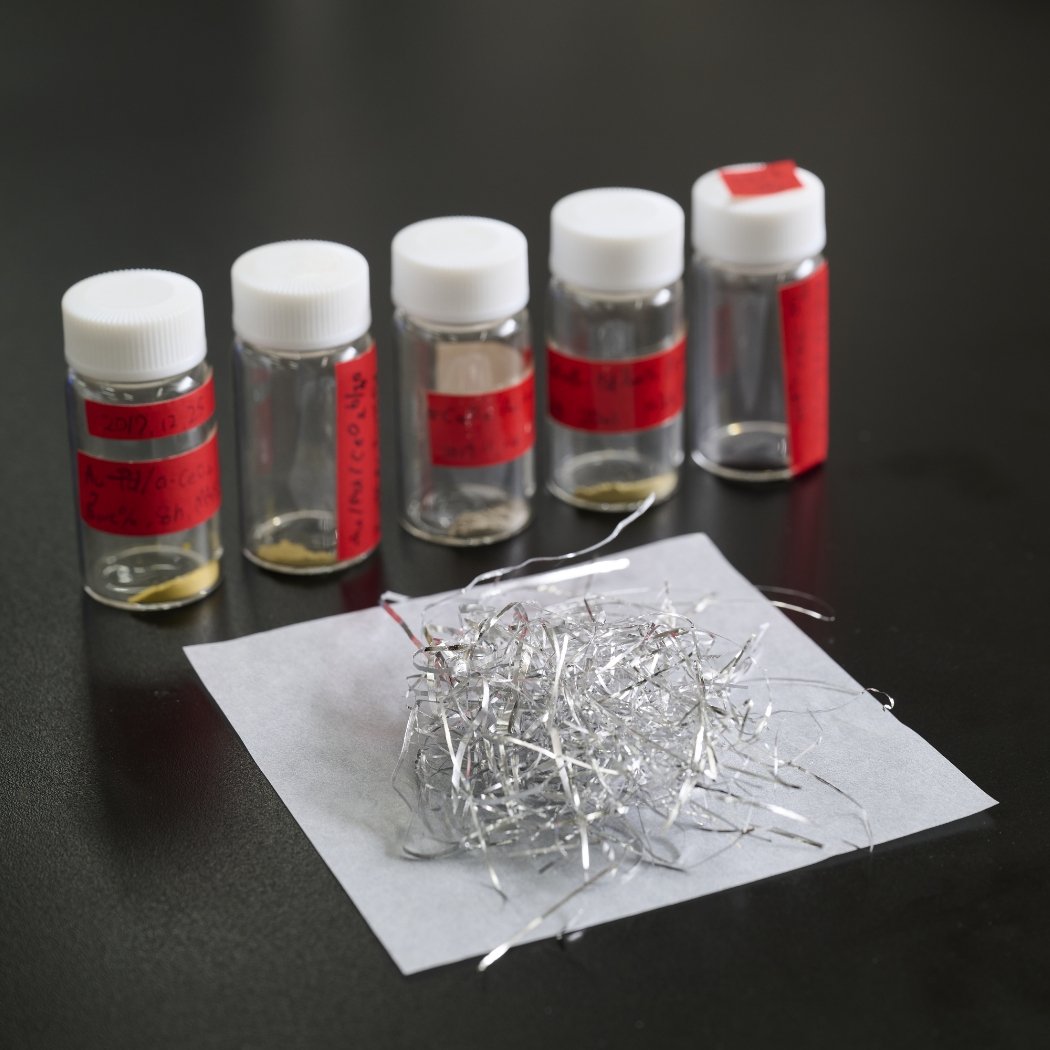
I build my catalysts from amorphous alloys, metallic substances with irregular atomic structures. By selectively removing certain metals, I generate highly porous metal oxide frameworks with large surface areas.
These porous frameworks anchor catalysts and drive effective chemical reactions. Their large surface area increases the number of reaction sites and boosts catalytic activity. This advances processes like toxic gas decomposition and hydrogen production. Using common metals promotes resource recycling and sustainability.
This research engineers next-generation catalytic materials. I design these at the atomic level to maximize environmental protection, sustainable energy, and resource recycling. I drive every aspect with clear, purposeful, application-based innovation.
Focus on Person
Unraveling the Secrets of the Forest at the Molecular Level
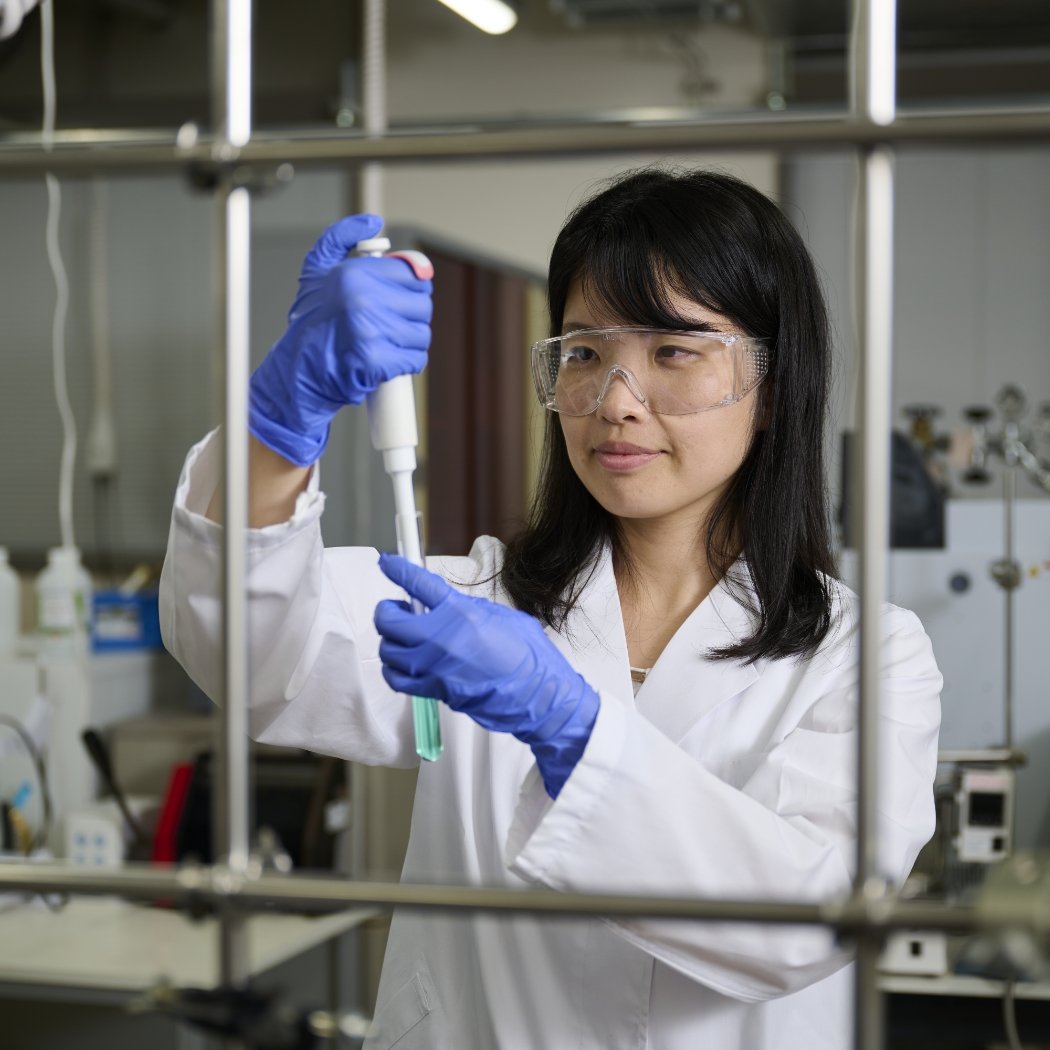
I analyze organic matter in forest soils and water cycles at the molecular level to understand what sustains these ecosystems. While careful sampling prevents contamination, achieving expected results is highly rewarding. If this analysis quantifies a forest’s ability to absorb carbon dioxide and purify water, it may aid global warming measures and water resource conservation. My goal is to use my research to share nature’s value with society and contribute to forest conservation.
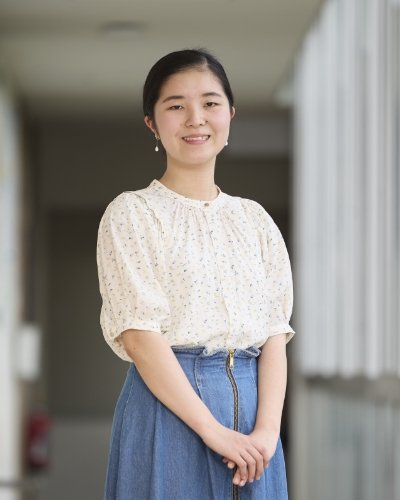
Unraveling the Secrets of the Forest at the Molecular Level
Natsumi Horiuchi