Creating and expanding
We explore Hyogo Prefectural University's efforts to create new value, from developing materials for solar power generation to revitalizing local communities and advancing the development of new drugs in medical engineering. The university aims to solve social issues through diverse approaches. Discover what is being created and how—see the creative process firsthand.
Changing Earth’s Tomorrow with Solar Cells and Hydrogen Fuel
Seigo Ito
Professor, Graduate School of Engineering
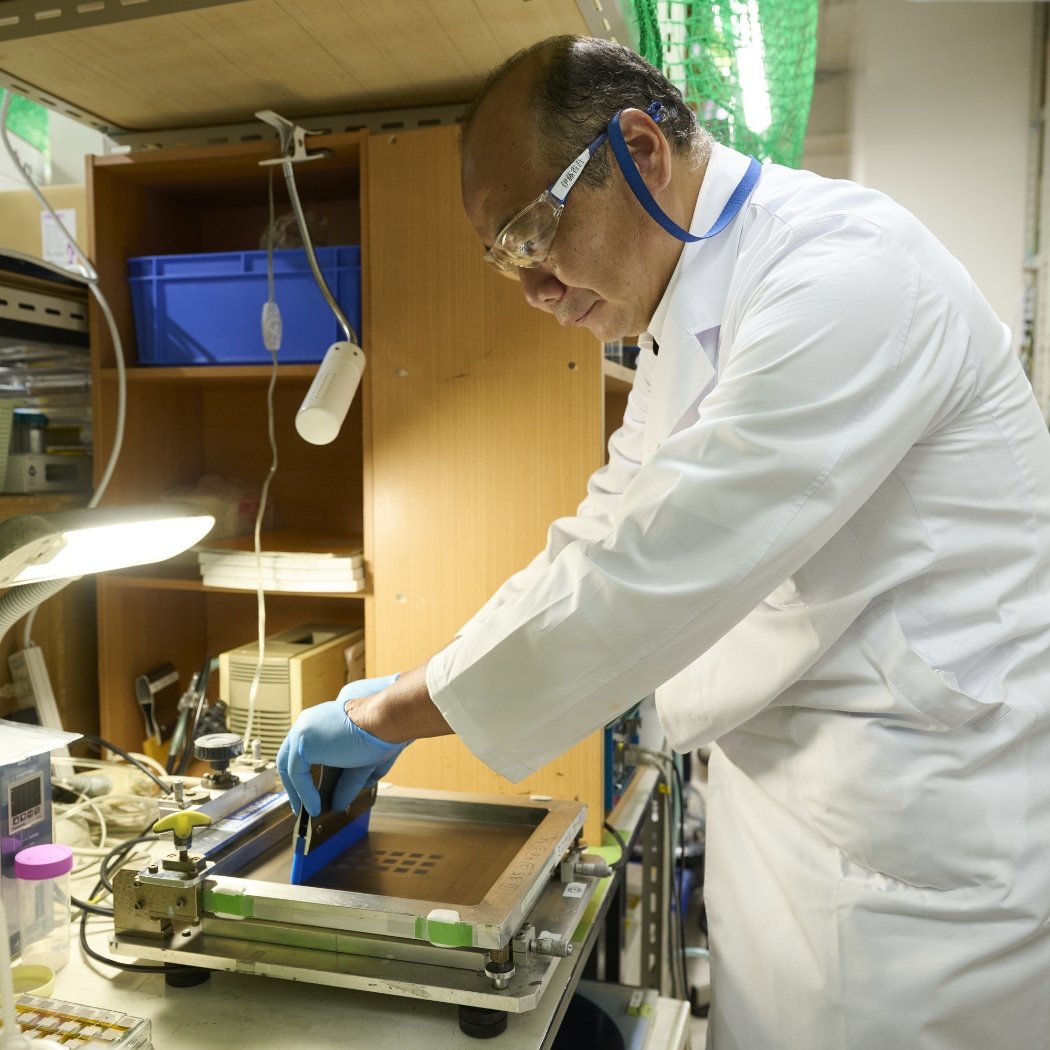
Our laboratory aims to “save humanity through perovskite solar cells and solar fuel” by developing and commercializing sustainable energy technologies. Our research focuses mainly on perovskite solar cells, hydrogen production via water electrolysis, and hydrogen fuel cells.
We are developing perovskite solar cells that address the cost and manufacturing issues of silicon-based cells, aiming for 20-year output, a 30 cm2 area, and 15% efficiency—making solar energy affordable for all. Our solar-powered water electrolysis with RIKEN has achieved world-leading hydrogen production, supporting efficient manufacturing of clean hydrogen. The resulting hydrogen fuel cells meet long-term durability targets, and we are exploring mobile applications like drones.
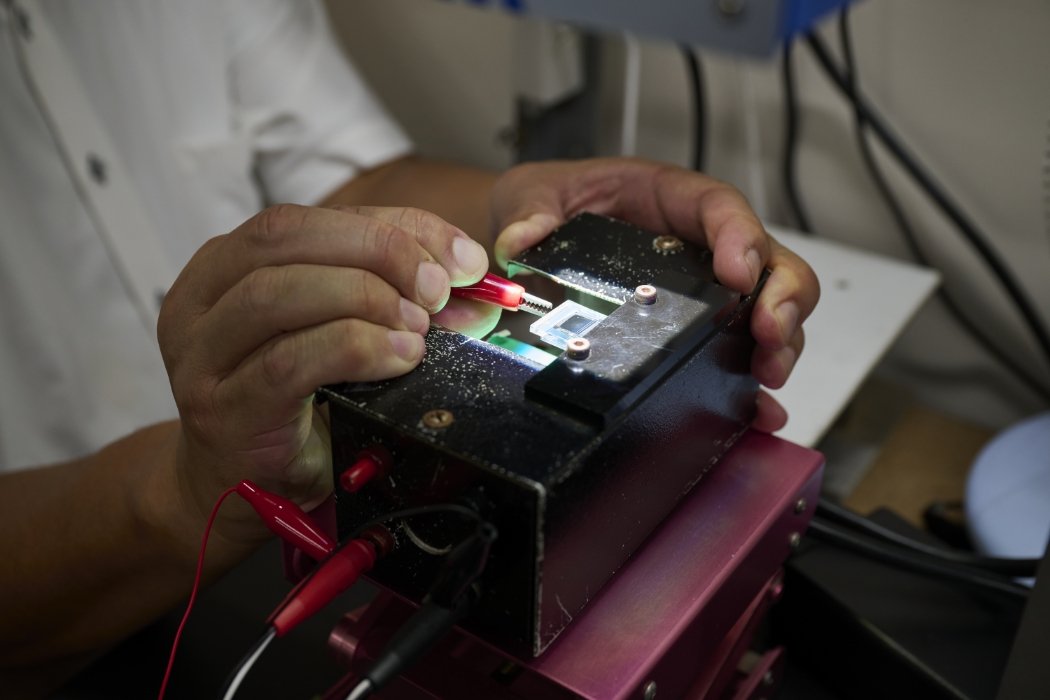
We are also developing EVs that combine these technologies. By spanning chemical, electrical, and mechanical engineering, we aim to create original natural-energy vehicles. This research goes beyond technology, focusing on collaborative problem-solving and student growth.
Our ultimate goal is to bring these technologies into everyday life, helping build a sustainable society through clean energy. By driving research that advances both technology and human talent, we are striving to create the energy infrastructure of the future and make a global impact.
Solar-Fuel EV: An electric vehicle (EV) that utilizes fuel (e.g., hydrogen or synthetic fuels) generated using sunlight.
Solar EV: An electric vehicle equipped with solar panels on the vehicle itself, directly generating electricity for propulsion.
Building Stronger Communities Through Weak Ties
Mariko Wada
Associate Professor, School of Economics and Management
(Researcher Information)
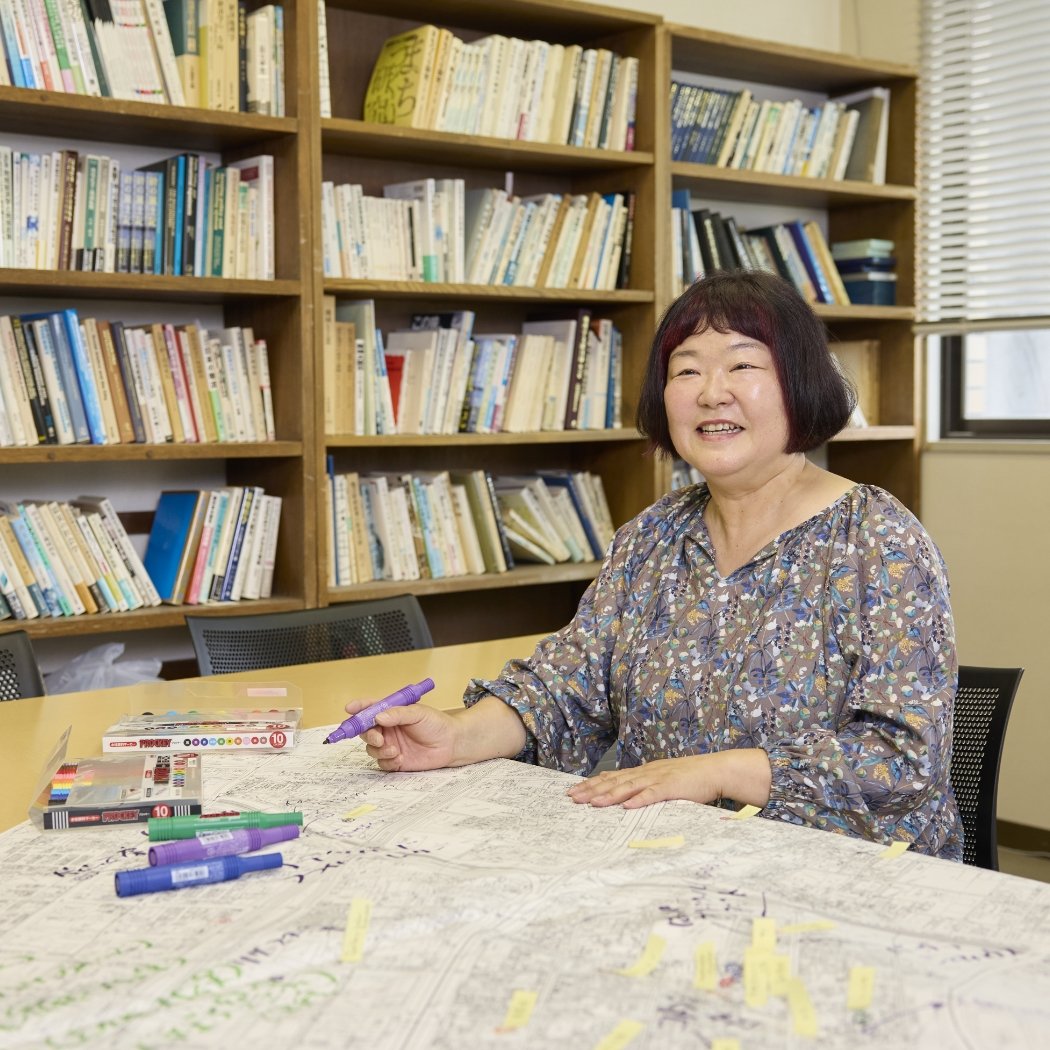
My research focuses on regional revitalization through “weak ties.” In recent years, housing complexes, new towns, and downtown areas have seen an increasing number of vacant homes and aging populations, leading to less frequent human interaction. To enhance the sustainability of these communities, creating spaces where people can interact loosely is crucial. Places like shopping streets and mobile supermarkets, where people naturally gather to shop and dine, can help prevent isolation and support residents’ physical and mental health. It is not only the “strong ties” where the same faces gather regularly, but also the existence of loose relationships where “it’s okay to connect or not connect” that allows diverse people to be included, fostering community resilience and economic revitalization
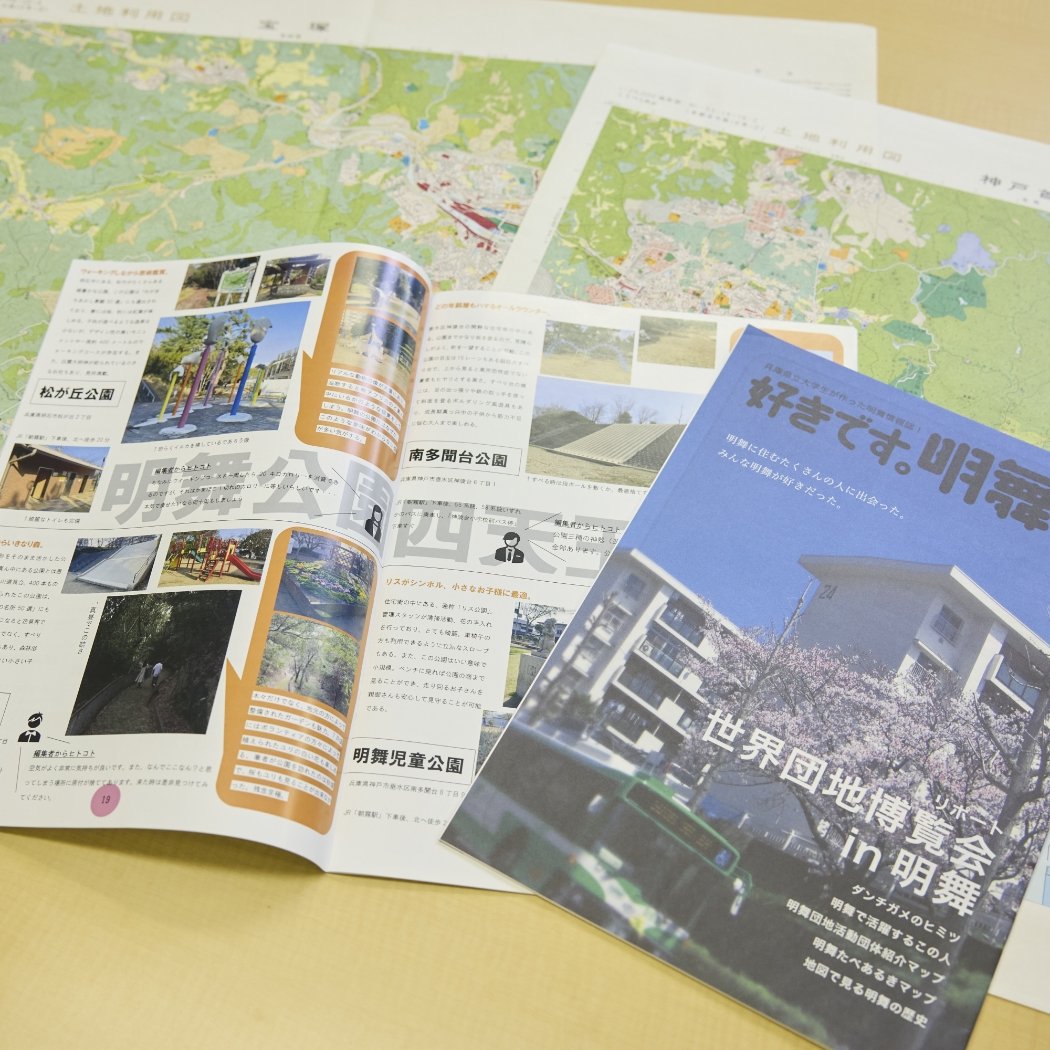
I am currently conducting community activities and research in the Meimai Housing Complex and Shin-Nagata District, aiming to model community revitalization through “weak ties” and to develop policy recommendations. Through this research, I hope to contribute to building inclusive communities where everyone can live with peace of mind.
Unraveling the Invisible World of Cells with the Power of Electricity
Masato Suzuki
Associate Professor, Graduate School of Science
(Researcher Information)
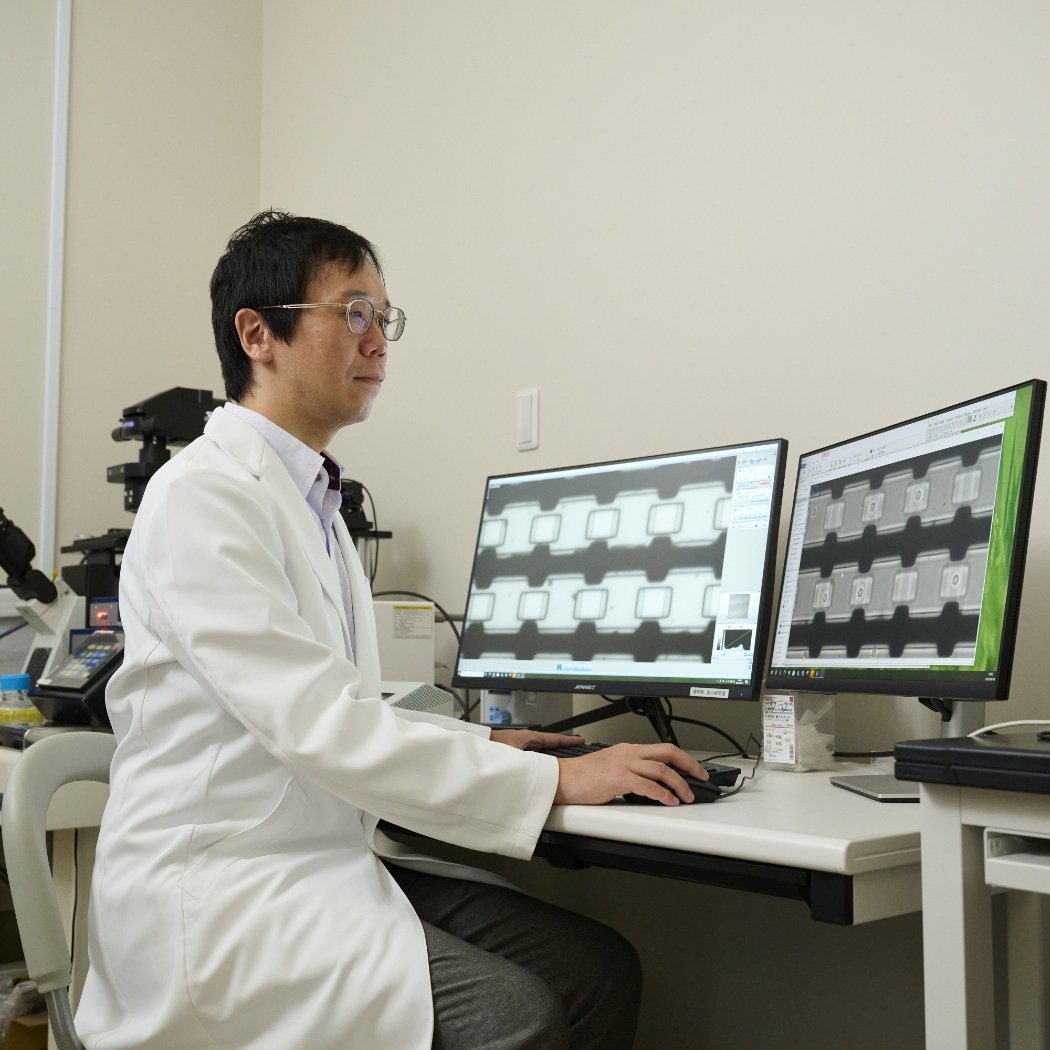
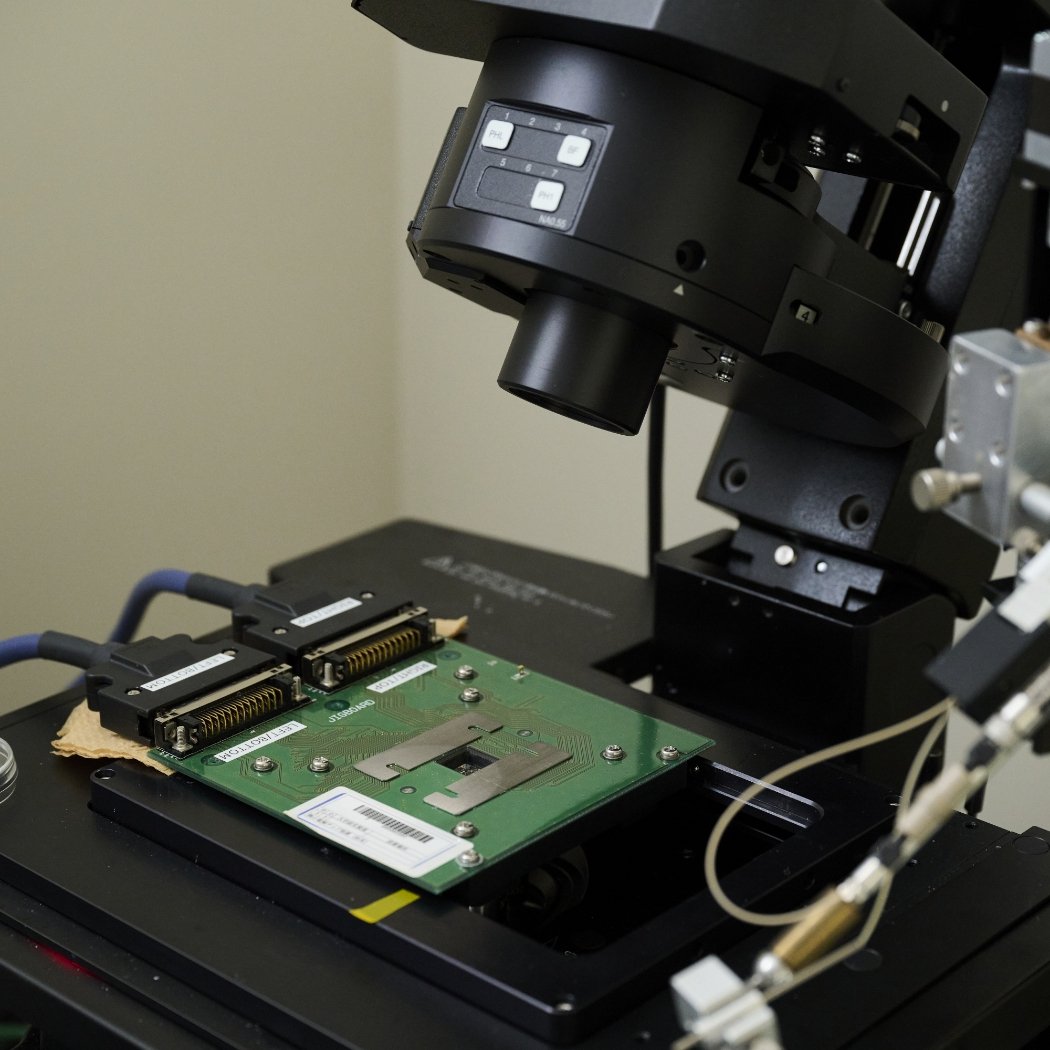
I am researching and developing techniques to analyze single cells non-invasively and without labeling, using microfabricated microelectrodes. Over 400 types of cells exist within the human body, and even cells of the same type exhibit individual differences in function. Conventional analysis methods require staining and cell disruption, posing the challenge of damaging precious cells. We discovered that using microelectrodes to measure cells’ electrical properties enabled us to analyze cell function and type without damaging them. Specifically, we expose cells to a weak alternating electric field. This causes the cells to slowly rotate. From the speed and manner of rotation, we can read the cell’s “individuality,” such as its softness and membrane state.
With this technology, we’re opening new doors to precisely dissect the abilities of immune cells that fight cancer and those that create antibodies. This innovation is opening the way for advances in regenerative medicine and cell therapy. In partnership with a forward-thinking startup, we’re developing a compact, user-friendly “next-generation cell sensor”—envisioned for anyone, anywhere. As Japan’s first leap into groundbreaking cell analysis platforms, our technology aims to make waves worldwide, transforming fields from medicine and drug development to space bio-experiments and the search for the next generation of cell-based breakthroughs. By pioneering these advances, we aim to reshape cell analysis worldwide and unlock new possibilities in science and medicine.
Focus on Person
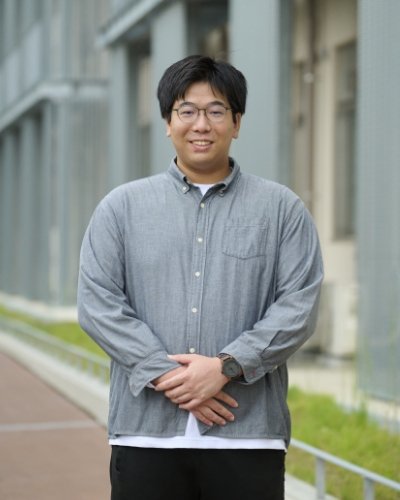
Bringing the benefits of solar energy into everyday life. This eco-friendly challenge drives my research
My research focuses on developing perovskite solar cells that are simpler and cheaper to manufacture than conventional silicon cells and easier to recycle. I modify the materials, structures, and fabrication methods to create high-performance cells. The joy of seeing my ingenuity yield results after endless trial and error is truly special. My future goal is to realize solar cells that efficiently utilize resources. I aim to create technology that helps curb global warming and achieve the SDGs by enabling the widespread adoption of renewable energy.
Bringing the benefits of solar energy into everyday life. This eco-friendly challenge drives my research
Takaya Shioki
2nd year master's program student, Graduate School of Engineering
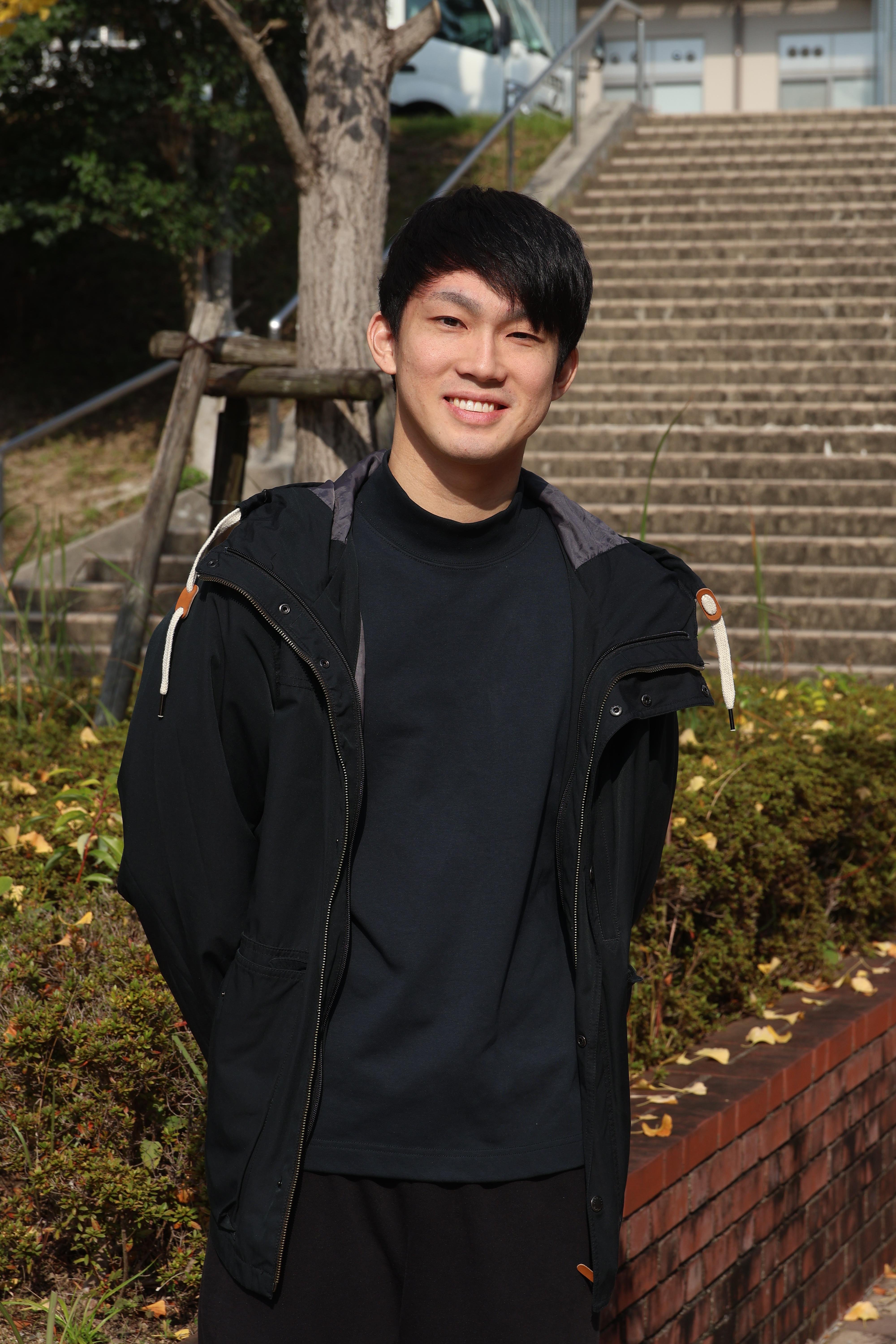
Toward a catalyst that never degrades—The cutting edge of materials research supporting a hydrogen society
One challenge hindering the widespread adoption of fuel cell vehicles is the short lifespan caused by catalyst degradation. I have been developing a new catalyst using highly durable tin oxide to replace the carbon supports commonly used to date. Through unique synthesis and modification techniques, I have achieved a material that conducts electricity well and lasts longer. I have also established a mass production method. Currently, I am conducting performance evaluations by incorporating the catalyst in actual fuel cells. I am aiming for early implementation of this foundational technology that will support the future hydrogen society.
Toward a catalyst that never degrades—The cutting edge of materials research supporting a hydrogen society
Takeshi Fukuda
2nd year master's program student, Graduate School of Engineering